
2026-10-17 ·
Metal Roofing vs. Asphalt Shingles for Hot Weather in Wichita Falls, TX
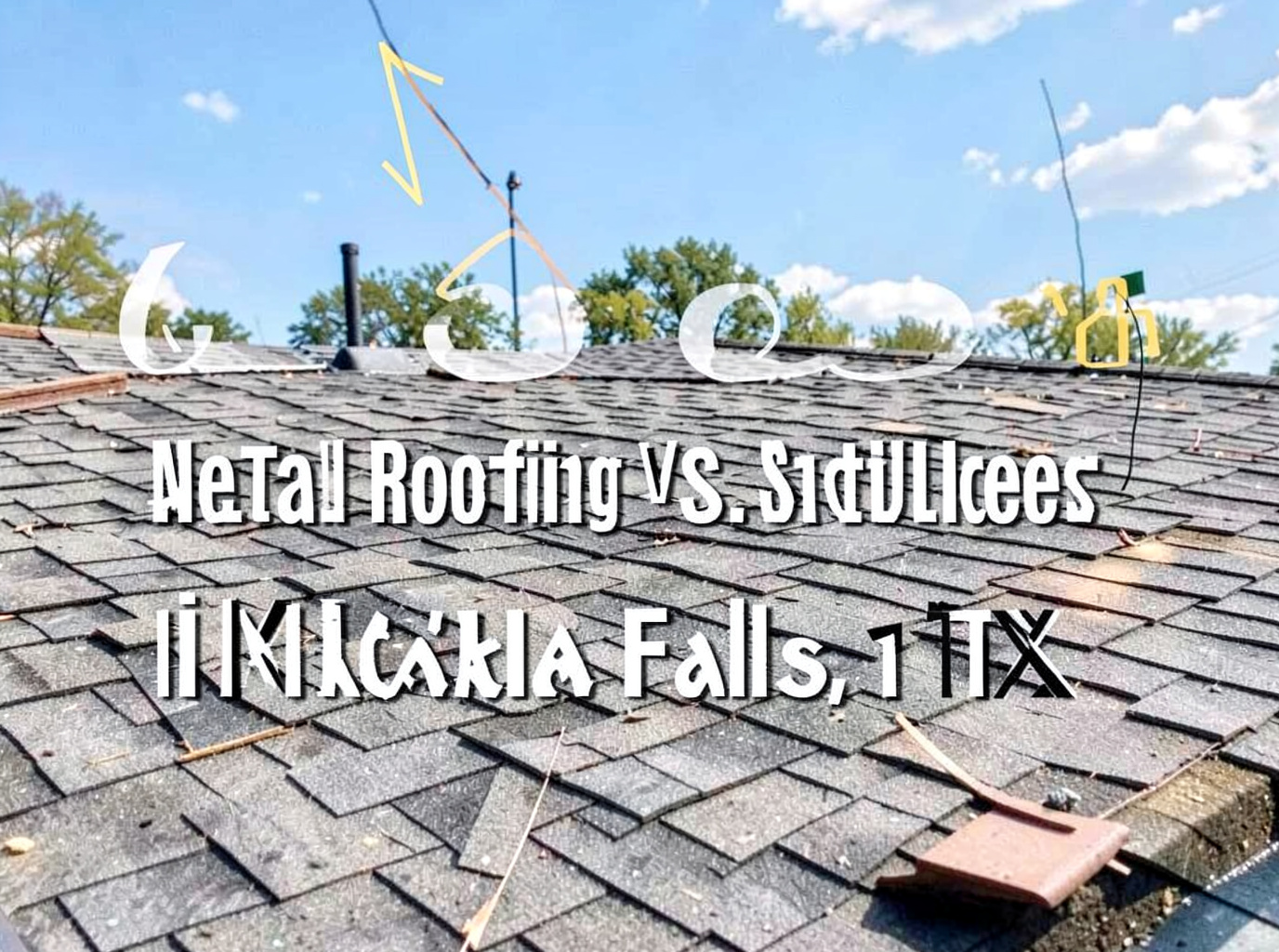
Metal roofing reduces attic temperatures by 20–30 degrees compared with asphalt shingles during peak summer heat in Wichita Falls, cutting cooling demands in homes built across Wichita County. This advantage holds in neighborhoods like Southside and University Park where older housing stock often lacks modern insulation. High winds common to the area test both materials, yet metal panels stay secure with proper fastening while shingles can lift at edges.
Heat Reflection Performance in Local Summers
Wichita Falls experiences prolonged stretches above 95 degrees, and metal surfaces bounce back most solar energy before it reaches the decking. Asphalt shingles absorb and retain that heat, raising indoor temperatures and forcing air conditioners to run longer in homes near Lake Wichita or Downtown Wichita Falls. Homeowners replacing roofs in these zones often notice lower utility bills after switching to metal because the reflective finish maintains consistent performance even after years of dust and pollen buildup. Temperature swings from hot days to cooler nights also stress asphalt more quickly, leading to cracking around fasteners.
Wind and Weather Durability Factors
High winds that sweep through Wichita County test roof edges on houses in University Park and along the River Bend Nature Center corridor. Metal panels interlock and resist uplift better than individual asphalt shingles, which can tear at seams during gusts exceeding 40 mph. Cold winter nights add contraction stress that asphalt handles less gracefully over time, while metal expands and contracts uniformly without granule loss. Residents in Burkburnett and Henrietta report fewer wind-driven leaks after metal installations because seams stay tight without relying on adhesive strips that degrade in the sun.
Installation Realities on Local Housing Stock
Many homes in Floral Heights and West Wichita Falls date to the mid-20th century with rafter spacing that accommodates metal panels without major deck changes. Crews working on these properties focus on underlayment choices that handle both summer heat and occasional winter moisture. Asphalt shingles remain lighter for quick overlays on certain structures, yet the added layers increase heat retention in attics already struggling with poor ventilation. Proper ventilation upgrades during replacement work in South Wichita Falls, TX often pair naturally with metal systems to maximize airflow. Metal roofing installation crews familiar with these older homes adjust fastener patterns for the wind loads typical here.
Long-Term Cost Considerations
Initial material costs run higher for metal, yet the extended service life offsets that difference when compared with asphalt replacement cycles in hot, windy conditions. Homes near Memorial Auditorium or Kell House Museum benefit from fewer interventions because metal resists the cracking and curling that appear on asphalt after 15–20 years of exposure. Energy savings accumulate each summer, particularly on larger ranch-style roofs common in the county. Readers evaluating options after recent storms can review how to spot hail and wind damage on roofs in Wichita Falls, TX for inspection guidance before deciding between the two systems. Heat-resistant roof replacement projects in the area frequently incorporate metal to address both heat and wind concerns at once.